DreamDive Open Lab: Dr. Takafumi Suzuki
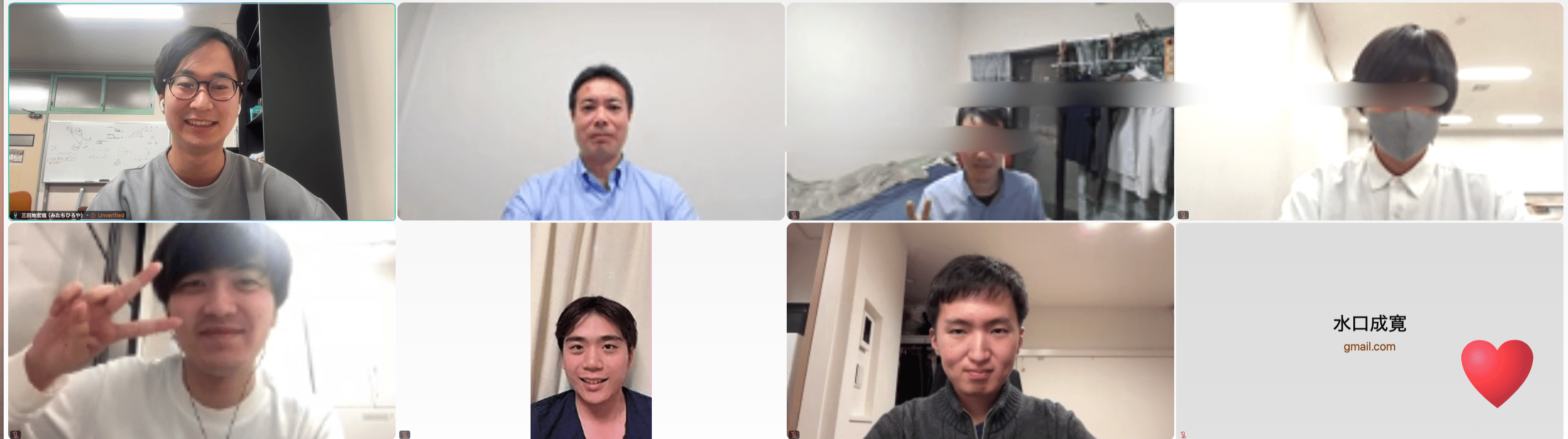
DreamDive Open Lab: One Hour with a Researcher
DreamDive hosts an ongoing online series, "DreamDive Open Lab: One Hour with a Researcher," where we invite researchers and practitioners working on sleep, dreams, and the brain for in-depth conversations.
In this session, we welcomed Dr. Takafumi Suzuki from the Center for Brain Information Communication Fusion Research (CiNet), NICT. He spoke about the fundamentals of brain-machine interfaces (BMI) and where the field is heading.
📝 Research profile ↗️ (external site)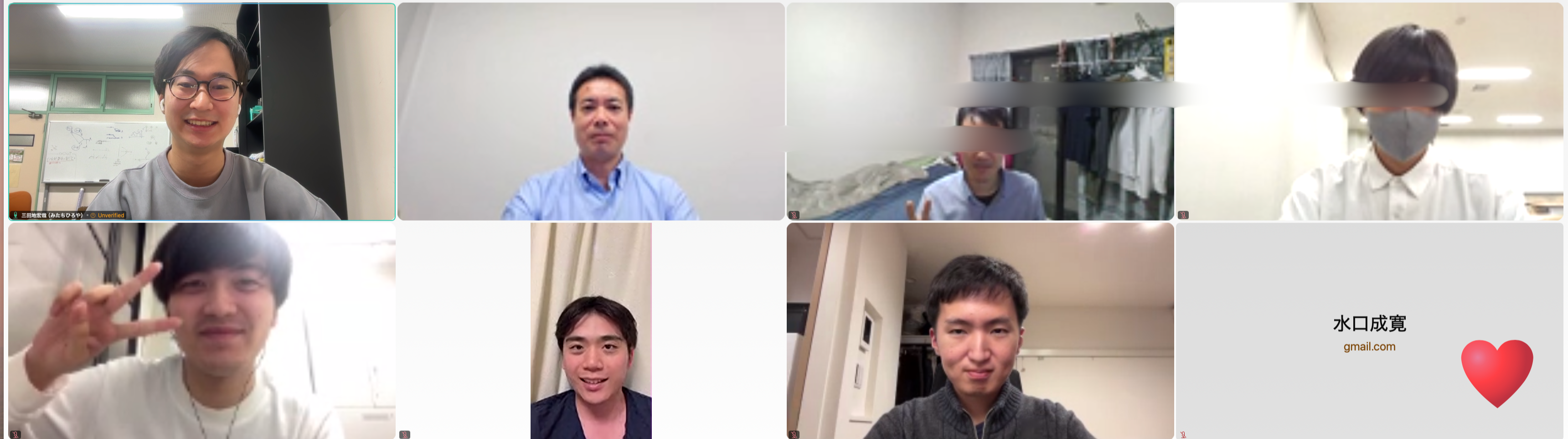
Highlights (digest)
-
What is a brain-machine interface?
Dr. Suzuki gave a clear overview of the core idea behind BMI—reading neural activity and translating it into device control or sensory feedback—as well as its role in clinical applications and neuroscience research. -
ECoG and ultra-high-channel-count recording
We focused on electrocorticography (ECoG), including hardware advances such as flexible electrode arrays with over 1,024 channels and multi-channel signal transmission systems using UWB wireless technology. -
Decoding and sensory feedback
We discussed key building blocks for BMI, including decoding algorithms that infer motor and sensory information from brain activity, artificial stimulation to generate tactile sensations, and long-term interface design that leverages neural plasticity.
How this connects to DreamDive
DreamDive is interested not only in sleep and lucid dreaming, but also in BMI technologies that connect the brain and devices—especially their potential for future ways to record and present dream experiences, or enable new forms of communication.
Through this Open Lab, we learned from the front lines of high-density neural sensing and real-time signal processing, and had an active exchange on how such technologies could inform DreamDive's R&D.
We will continue exploring the possibilities of interfaces between dreams and the brain through dialogue with experts in BMI, sleep, and consciousness research.