DreamDive Open Lab: Prof. Masataka Watanabe — Consciousness and Brain-Machine Connection
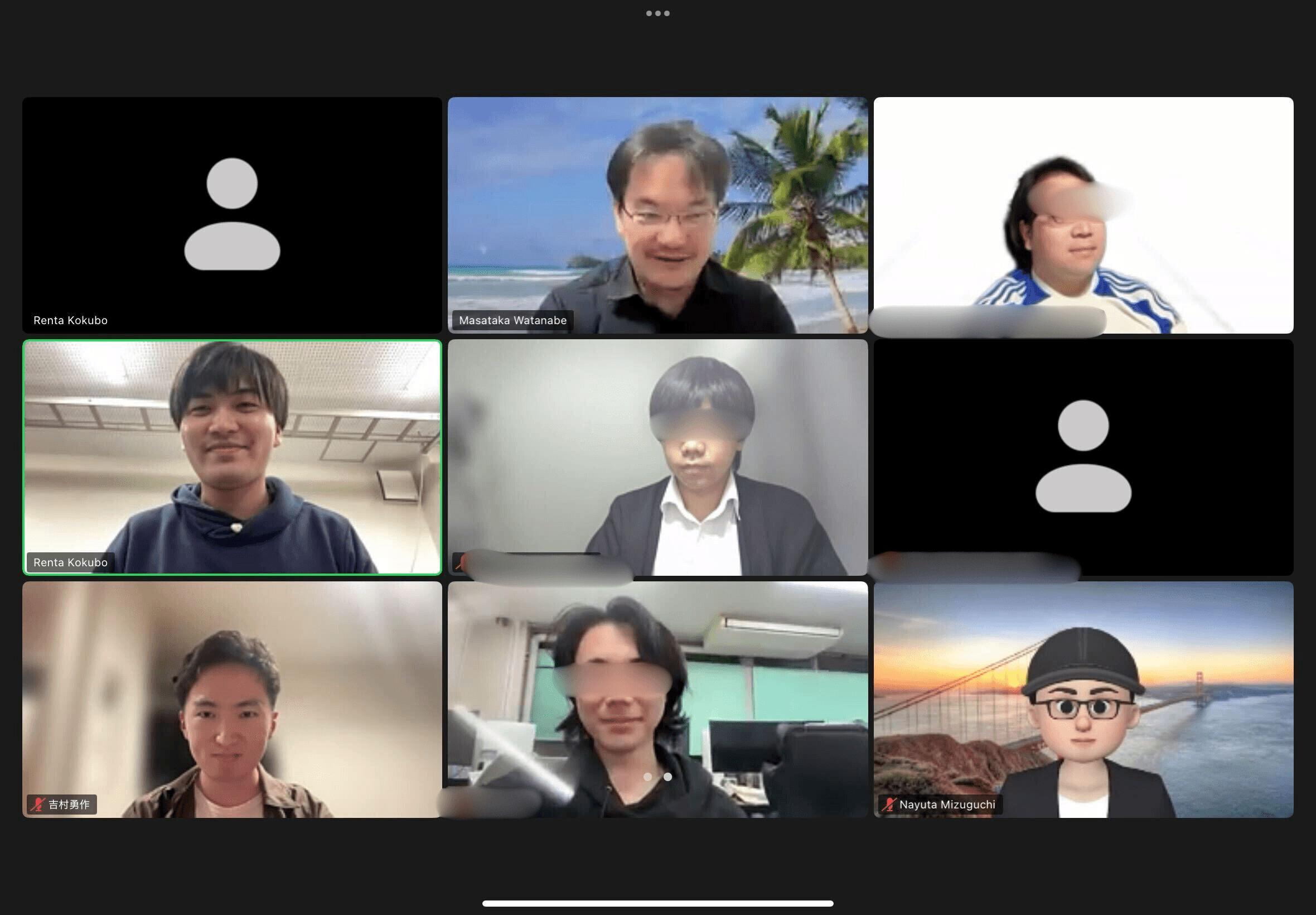
DreamDive Open Lab: "An Hour with a Researcher"
DreamDive continues to host "DreamDive Open Lab: An Hour with a Researcher," a series where we invite researchers and practitioners working on the themes of sleep, dreams, and the brain to share their insights.
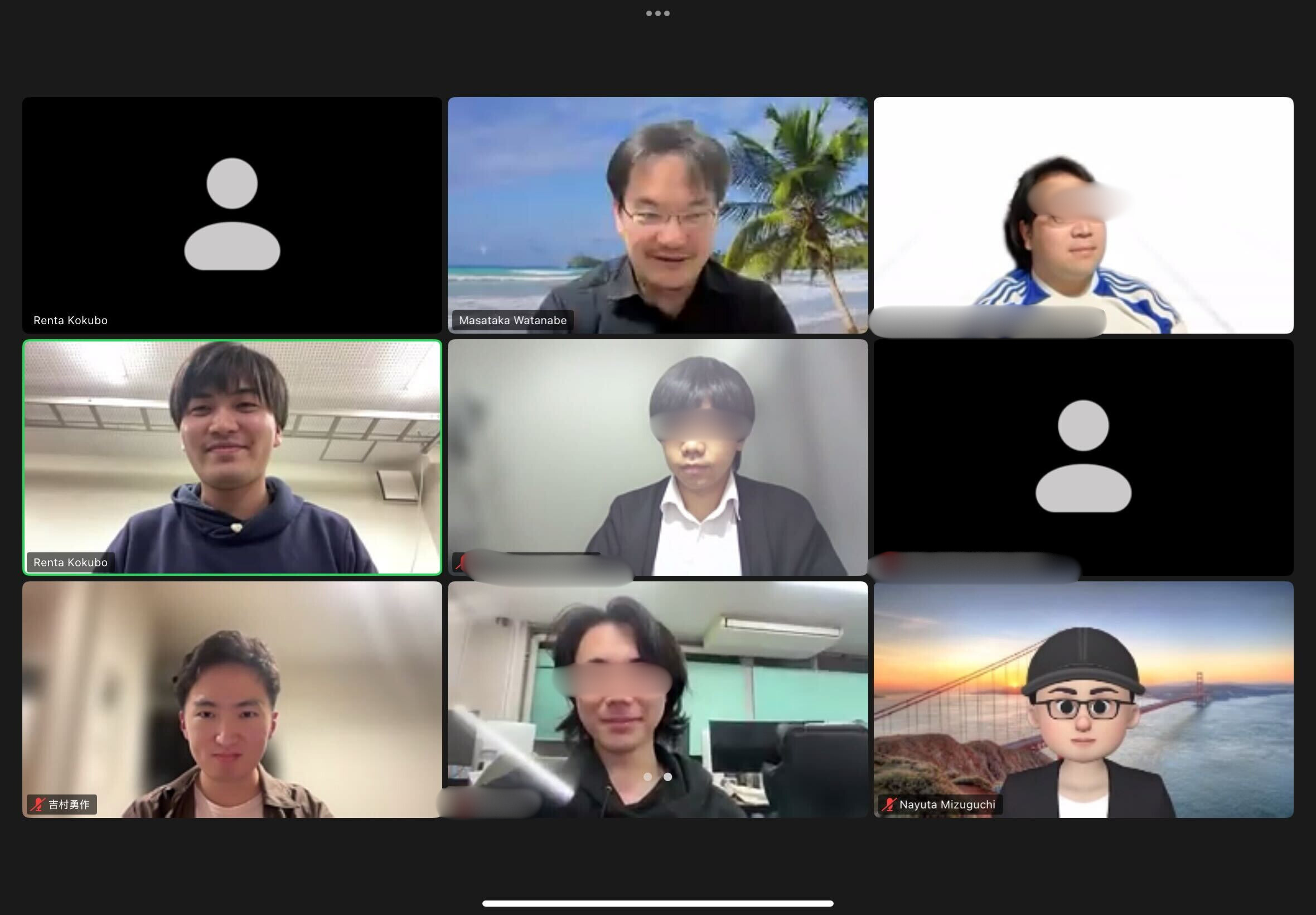
This time, we welcomed Associate Professor Masataka Watanabe of the University of Tokyo's Graduate School of Engineering to discuss the science of consciousness and brain-machine connection.
The Question Beyond Digitalization
Prof. Watanabe began by framing the progression of digitalization in three stages:
- Digitalization of the environment — already realized
- Digitalization of the body — currently in progress
- Digitalization of the brain — the frontier ahead
When the brain is mechanized, will consciousness emerge? If we replicate every neural connection and synaptic strength, will subjective experience arise? This question, grounded in the assumptions of functionalism, is the starting point of Prof. Watanabe's research.
The Hard Problem of Consciousness
Drawing on Leibniz's Mill argument, Prof. Watanabe explained the hard problem of consciousness. No matter how thoroughly we understand a machine's mechanisms, subjective experience is nowhere to be found within them. While we can objectively measure the brain's information processing, "the feeling of what it is like to be something" cannot be reached through conventional scientific methodology alone.
Even with LLMs, while we can understand their bottom-up mechanisms, there remains an explanatory gap as to why they produce such sophisticated behavior. The problem of consciousness, he argued, is precisely the challenge of bridging the objective and the subjective — a challenge that exceeds the framework of conventional science.
Connecting Brain and Machine to Verify Consciousness
Prof. Watanabe proposes directly connecting a biological brain to a machine brain to verify the presence of subjective experience.
Leveraging the contralateral nature of cerebral hemispheres (the left brain processes the right visual field and vice versa), if one hemisphere is replaced with an artificial neural network and the subject still experiences an integrated visual field across both sides, this could indicate that consciousness has emerged in the machine. As split-brain research has shown, severing cortical connections splits consciousness in two. By inverting this principle, one could subjectively test whether consciousness arises on the machine side — a bold experimental vision.
Embodiment, Dreams, and the Minimal Conditions for Consciousness
Participants raised questions about embodiment. On the minimal conditions required to generate consciousness, Prof. Watanabe suggested that "consciousness can arise in as little as 300 milliseconds," implying that consciousness may be possible without bodily interaction. Consciousness during dreams is precisely such an example, revealing a connection to the lucid dream research that DreamDive pursues.
Conclusion
In response to the fundamental question of whether internal consciousness can be observed through external measurement, Prof. Watanabe is tackling the problem through the experimental approach of brain connection. It was a deeply stimulating session, offering a firsthand look at where the science of consciousness is pushing beyond the limits of conventional objective methods.
DreamDive will continue to provide opportunities to engage with cutting-edge insights on consciousness, dreams, and the brain through the "DreamDive Open Lab" series.